Timeless Gains: How I Navigated the Luxury Watch Investment Cycle
Ever wondered if a Rolex or Patek can do more than tell time? I used to think luxury watches were just flashy accessories—until I discovered their hidden potential. What if your passion could also be a smart store of value? This is the real talk about navigating the luxury watch investment cycle: where passion meets patience, and timing shapes returns. More than mere instruments of precision, certain luxury timepieces have evolved into tangible assets with decades-long appreciation. Unlike volatile stocks or distant real estate, these mechanical marvels sit on the wrist yet carry the weight of history, craftsmanship, and scarcity. For those willing to look beyond the surface, they offer not just status, but a unique path to wealth preservation.
The Allure of Steel and Precision: Why Watches Become Investments
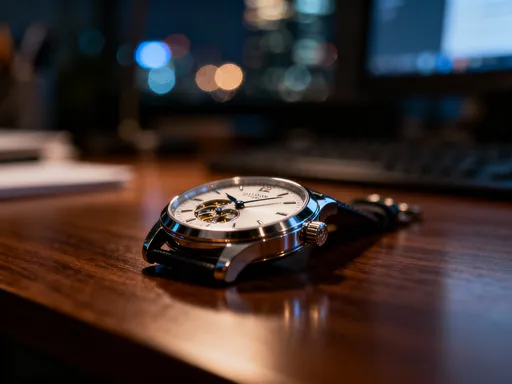
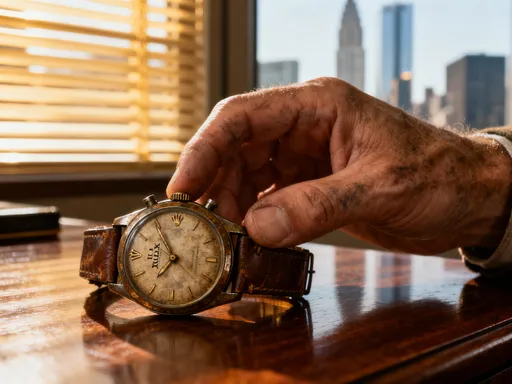
Luxury watches occupy a rare financial niche—they are both personal objects and appreciating assets. While most consumer goods lose value the moment they leave the store, select timepieces from brands like Rolex, Patek Philippe, and Audemars Piguet have consistently gained value over time. This phenomenon stems from a powerful combination of factors: limited production, exceptional craftsmanship, enduring brand equity, and cultural resonance. A Rolex Submariner or a Patek Philippe Nautilus isn’t merely a tool to track hours; it’s a symbol of achievement, a wearable heirloom, and, increasingly, a recognized store of value.
What sets these watches apart from other luxury items is their durability and functional elegance. Unlike fashion pieces that fade with trends, mechanical watches from top-tier manufacturers are built to last generations. Their inner workings—hand-assembled movements, intricate complications, and precise engineering—represent years of horological innovation. This technical excellence, combined with the prestige of the brand, creates a strong foundation for long-term value. Moreover, many of these brands deliberately limit production, ensuring scarcity. For example, Patek Philippe produces fewer than 60,000 watches annually, a number that has remained relatively stable despite rising global demand. This controlled supply, when met with growing interest, naturally drives appreciation.
Another key factor is the emotional connection collectors form with these timepieces. Unlike stocks or bonds, a luxury watch can be worn, admired, and passed down. It marks milestones—birthdays, anniversaries, career achievements—giving it sentimental weight that enhances its perceived value. This blend of emotional and financial worth makes luxury watches uniquely compelling as alternative investments. They are not just assets; they are stories wrapped in steel and gold, ticking with the rhythm of legacy and desire.
Entering the Game: Recognizing the First Phase of the Investment Cycle
The most rewarding phase of any investment cycle is often the earliest—one that begins quietly, long before headlines appear. In the world of luxury watches, this initial accumulation stage is marked by subtle shifts: rising waitlists at authorized dealers, increased inquiries on pre-owned platforms, and a growing buzz in collector forums. Savvy investors who recognize these signals early can position themselves to acquire timepieces at or near retail prices, setting the stage for meaningful gains as demand accelerates.
One of the clearest indicators of an emerging trend is the lengthening of official waiting lists. When a model like the Rolex Daytona or the Audemars Piguet Royal Oak Offshore becomes harder to obtain through authorized channels, it signals rising desirability. At this point, secondary market prices may begin to inch above retail, even before widespread media attention. Monitoring these early price movements on trusted resale platforms can provide valuable insights. Additionally, understanding reference numbers—the unique identifiers for each watch model—is essential. Certain references, such as the Rolex GMT-Master II “Pepsi” (126710BLRO), have developed strong followings due to design updates, material changes, or discontinuation rumors.
Another strategy for early entry is building relationships with authorized dealers. While many high-demand models are reserved for top-tier clients, consistent engagement—purchasing service, accessories, or entry-level models—can improve one’s standing. Some collectors begin by acquiring less hyped pieces from the same brand, demonstrating loyalty and increasing their chances of allocation when sought-after models arrive. Simultaneously, exploring the pre-owned market with caution can yield opportunities. Independent watch retailers and certified pre-owned platforms often carry lightly used pieces with full documentation, offering immediate ownership without years-long waits.
The key during this phase is patience and research. Not every new release will appreciate; some models may plateau or even decline if they fail to resonate with collectors. Therefore, focusing on brands with proven track records, timeless designs, and limited availability increases the odds of long-term success. The goal is not to chase every trend, but to identify those with the fundamentals to endure.
The Rise: When Demand Fuels Momentum and Market Heat
Once a model gains traction, the market enters its growth phase—a period defined by accelerating demand, shrinking supply, and rapidly rising prices. This is when luxury watches transition from niche interests to cultural phenomena. The Rolex Submariner, for instance, has seen its secondary market value more than double over the past decade, driven by sustained global interest and production constraints. During this stage, resale premiums become common, with some models trading at 50% to 100% above retail price, sometimes even higher.
Several forces contribute to this momentum. First, media coverage amplifies visibility. Features in lifestyle magazines, influencer endorsements, and celebrity sightings—such as a professional athlete wearing a platinum Patek at a major event—can spark widespread desire. Second, supply remains tightly controlled. Brands like Rolex and Audemars Piguet have historically avoided mass production, preserving exclusivity. Even when demand surges, output increases are minimal, ensuring that scarcity remains a defining feature. Third, the secondary market becomes more liquid, with specialized dealers, auction houses, and online platforms facilitating faster transactions and greater price transparency.
Data from recent years illustrates this trend. According to the Watchfinder & Co. Market Report, the average resale value of a Rolex Daytona increased by over 120% between 2016 and 2022, outperforming many traditional asset classes during the same period. Similarly, the Audemars Piguet Royal Oak 15202ST, discontinued in 2021, saw its market value jump from around $25,000 to over $60,000 within a year of its final production run. These figures reflect not just inflation or speculative bubbles, but genuine collector demand rooted in brand strength and product scarcity.
However, this phase also carries risks. As prices climb, the temptation to overpay increases. Enthusiasts may pay well above fair market value in the fear of missing out, especially when acquiring hard-to-find models. To avoid this trap, investors should rely on historical pricing data, consult multiple dealers, and compare recent auction results. Setting a maximum price threshold based on objective metrics—not emotion—is crucial. The goal is to participate in the rise without becoming a victim of the hype.
Holding Through Volatility: Risk Control in the Maturity Stage
No investment rises indefinitely. After a period of strong appreciation, the luxury watch market often enters a stabilization or consolidation phase. Prices may plateau, or in some cases, retreat as new models are introduced, economic conditions shift, or collector enthusiasm wanes. This stage tests an investor’s discipline. The true value of a well-chosen timepiece is often revealed not in rapid gains, but in its ability to retain worth over decades.
One common challenge during this phase is over-saturation. When a once-rare model becomes widely owned, its exclusivity diminishes. For example, the release of a newer version—such as Rolex’s upgrade from the 116610LV “Hulk” to the 126610LV “Starbucks” Submariner—can shift market focus and reduce demand for the older reference. Similarly, broader economic downturns can impact discretionary spending, leading to temporary declines in secondary market prices. During such periods, emotional selling—disposing of a watch at a loss due to short-term pressure—can erode long-term potential.
To manage these risks, investors should adopt a diversified approach within their watch portfolios. Just as a financial portfolio benefits from a mix of asset classes, a watch collection can be balanced across different types: sports watches, dress watches, and limited editions. For instance, pairing a high-demand sports model like the Omega Speedmaster with a classic dress watch such as the Jaeger LeCoultre Master Ultra Thin provides both growth potential and timeless appeal. Diversification reduces reliance on any single model’s performance and enhances overall resilience.
Equally important is verification. The luxury watch market, particularly in the pre-owned space, is vulnerable to counterfeits and modifications. Ensuring authenticity through reputable dealers, independent appraisers, or brand service centers is essential. A watch that has been improperly serviced or features aftermarket parts may lose significant value. Maintaining original components, including the dial, hands, and movement, preserves both integrity and marketability. Additionally, keeping service records and ownership history adds credibility and can justify higher resale prices.
Exit Strategies: Timing the Peak and Realizing Gains
Eventually, every investor considers selling. The decision of when and how to exit is as critical as the initial purchase. Timing the peak requires careful observation of market indicators. One sign of a maturing trend is a narrowing of the resale premium. If a model that once sold for double its retail price now trades only slightly above, it may signal that demand has stabilized. Increased availability—whether through dealers or online listings—also suggests that scarcity is easing. Shifts in collector preferences, such as a move toward vintage pieces or minimalist designs, can further impact value.
When the time comes to sell, several options exist, each with distinct advantages. Auction houses like Christie’s or Sotheby’s offer access to global bidders and can achieve record prices for rare or historically significant pieces. However, they charge seller’s fees, typically ranging from 10% to 20%, and the process can take months. Private dealers provide faster liquidity and often offer immediate payment, but may quote lower prices to ensure their own margin. Peer-to-peer platforms allow direct sales but require more effort in marketing, verification, and transaction security.
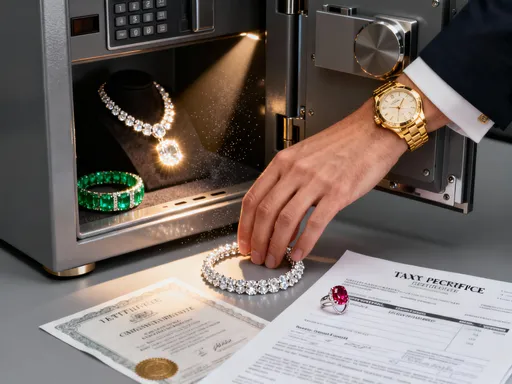
To maximize returns, preparation is key. A watch in excellent condition, with its original box, papers, and service history, will command a premium. Documentation proves authenticity and care, reassuring buyers and justifying higher offers. For example, a Rolex with a full set—box, warranty card, and service records—can fetch 15% to 30% more than one without. Servicing the watch before sale, especially if it hasn’t been maintained in years, can also improve performance and appeal, though it should be done through authorized or highly reputable sources to avoid devaluation.
The timing of the sale matters as well. Major watch events, such as Watches and Wonders in Geneva or the Salon International de la Haute Horlogerie (SIHH), often generate market momentum and can be favorable moments to list a piece. Economic conditions also play a role; strong consumer confidence and stable financial markets tend to support higher prices in the luxury sector. By aligning the sale with favorable conditions and choosing the right channel, investors can optimize their returns.
The Bigger Picture: Where Watches Fit in a Balanced Portfolio
Luxury watches should not be viewed as a replacement for traditional investing, but rather as a complementary component of a well-rounded financial strategy. Most financial advisors suggest that alternative assets—such as art, wine, or collectibles—should represent no more than 5% to 10% of a total portfolio. Within that allocation, watches offer unique benefits: they are portable, private, and emotionally fulfilling. However, they also come with limitations, including lower liquidity, ongoing maintenance costs, and the need for secure storage and insurance.
Unlike stocks or bonds, which can be sold instantly through a brokerage, selling a luxury watch often requires time, effort, and negotiation. Finding the right buyer at the right price may take weeks or months. Additionally, ownership entails expenses. High-end watches require periodic servicing—every 5 to 10 years—to maintain accuracy and value, with costs ranging from $500 to $2,000 or more depending on the brand and complexity. Insurance is another consideration; a $30,000 watch may require an annual premium of $300 to $600, depending on coverage and location.
Tax implications also vary by jurisdiction. In some countries, capital gains from the sale of collectibles are taxed at higher rates than those from traditional investments. Investors should consult with tax professionals to understand their obligations. Despite these factors, watches offer something few other assets do: the ability to enjoy the investment while it appreciates. Wearing a cherished timepiece daily adds a layer of personal satisfaction that stocks or real estate cannot match.
Compared to other alternatives, watches occupy a middle ground. They are more liquid than fine art or classic cars, yet less volatile than cryptocurrencies. Their value is influenced by both objective factors—brand, condition, rarity—and subjective ones—design appeal, cultural moment. This duality makes them both intriguing and challenging, rewarding those who combine passion with prudence.
Lessons from the Dial: Long-Term Mindset Over Short-Term Hype
The journey of luxury watch investing is not a sprint, but a marathon. Success comes not from chasing fleeting trends, but from understanding the deeper forces that drive value: craftsmanship, scarcity, brand legacy, and time. The most profitable holdings are often those held for ten, twenty, or even fifty years—pieces acquired with care, maintained with diligence, and sold with patience. In a world of instant gratification and speculative frenzy, the watch market rewards those who think in generations, not quarters.
Emotional discipline is paramount. The temptation to sell after a price spike, or to buy in a panic during a dip, can undermine long-term goals. Instead, investors should focus on fundamentals: Is the brand historically strong? Is the model iconic? Is the supply limited? Answering these questions objectively helps filter out noise and stay aligned with a strategic vision. Knowledge is equally important—learning about movements, complications, brand histories, and market cycles builds confidence and reduces reliance on speculation.
In the end, the greatest gain may not be measured solely in dollars. A luxury watch is a bridge between the past and the future, a mechanical poem that ticks on the wrist. It is a reminder that value can be both financial and personal, that wealth can be worn and shared. For those who approach it with respect, research, and a long-term mindset, the luxury watch investment cycle offers more than returns—it offers meaning.