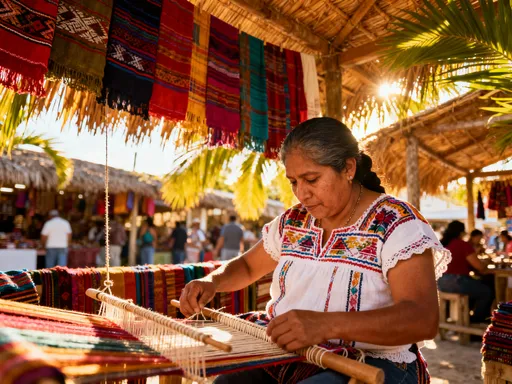
You Won’t Believe What I Found at the Markets of Mérida
Stepping into Mérida feels like walking into a vibrant dream where culture, color, and craftsmanship collide. I went looking for souvenirs but ended up discovering so much more—handwoven textiles, bold flavors, and the warm pulse of local life. This isn’t just shopping; it’s a sensory journey through tradition and creativity. Let me take you where the real Mexico lives, one market stall at a time. In a world where travel often means ticking off landmarks, Mérida offers something deeper: connection. Here, every thread, scent, and smile tells a story rooted in centuries of heritage, and every market visit becomes a quiet act of preservation.
The Heartbeat of Mérida: Why Shopping Here Is More Than a Transaction
In Mérida, shopping is not a checklist of purchases but a living conversation with history. The city, capital of Mexico’s Yucatán state, carries a unique blend of Mayan roots and Spanish colonial elegance, and this duality pulses through its marketplaces. Unlike commercial shopping centers that prioritize efficiency, Mérida’s markets invite slowness—time to touch a hand-embroidered blouse, to taste a sample of freshly ground achiote, or to learn the name of the artisan behind a wooden mask. These interactions transform the simple act of buying into something richer: cultural exchange.
What sets Mérida apart is the presence of the people who create. Many vendors are not just sellers but makers—women who weave on backstrap looms passed down from their grandmothers, men who carve ceremonial masks used in traditional danzas, or families who have preserved recipes for generations. When you buy a hammock here, you’re not just acquiring a product; you’re supporting a way of life. The value isn’t only in the craftsmanship but in the continuity of traditions that might otherwise fade.
This personal connection fosters respect and mindfulness. Visitors often leave not with a bag full of items, but with stories—of a weaver in Izamal who dyes her threads with avocado pits, or a potter near Valladolid who shapes clay using ancient techniques. These moments linger longer than souvenirs. They become part of the traveler’s own narrative. In this way, shopping in Mérida becomes an act of preservation, where every purchase helps sustain local artisanship.
Moreover, the rhythm of the markets reflects the city’s pace of life. Haggling is gentle, if it happens at all. Many artisans set fair prices based on hours of labor, and locals often pay them without negotiation. Visitors are encouraged to follow this lead—valuing the work rather than seeking the lowest price. This quiet dignity elevates the experience from consumption to appreciation, reminding us that some things cannot—and should not—be rushed.
Mercado Lucas de Gálvez: A First Stop That Overwhelms (in the Best Way)
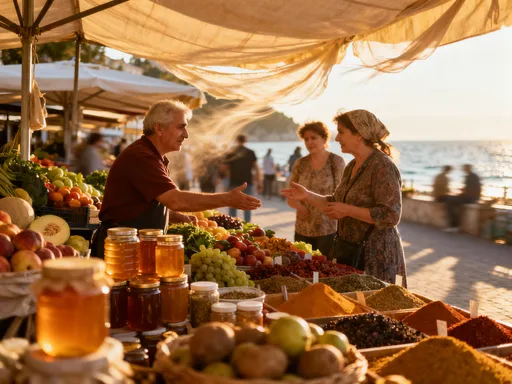
No introduction to Mérida is complete without a visit to Mercado Lucas de Gálvez, the city’s largest and most iconic public market. Located just north of the historic center, this bustling complex spans several blocks and offers a full immersion into daily Yucatecan life. From the moment you step inside, the senses ignite: the smoky aroma of slow-roasted cochinita pibil, the bright stacks of dried chilies in crimson and ochre, the melodic calls of vendors offering fresh coconut water or handmade soap.
The market is organized into zones, each dedicated to a category of goods. The food section is a feast for the eyes and nose, with stalls selling everything from fresh tortillas and local cheeses to tropical fruits like mamey, soursop, and star apple. You’ll find achiote paste, the region’s signature spice blend made from annatto seeds, garlic, and vinegar, essential for authentic Yucatecan cooking. For home cooks, this is a treasure trove—an opportunity to bring authentic flavors back across borders.
But Lucas de Gálvez is more than a grocery destination. Along the outer aisles, you’ll discover vendors selling textiles, hammocks, embroidered blouses, and hand-carved wooden items. These are not mass-produced imports but locally made goods, often brought in from nearby towns. A hammock from Ticul, handwoven on a wooden frame, can last decades with proper care. An embroidered huipil, stitched with geometric patterns unique to a specific village, carries cultural meaning in every thread.
Navigating the market can feel overwhelming at first, but that’s part of its charm. There’s no rigid map—just wandering, observing, and engaging. A simple smile or polite “¿Qué tiene de especial aquí?” (“What’s special here?”) can open a conversation that leads to unexpected discoveries. Vendors are generally welcoming, especially to those who show genuine interest. It’s a place where curiosity is rewarded and patience pays off.
For respectful engagement, a few guidelines help. Always ask before taking photos of people or their stalls. If you do photograph, a small tip or purchase is a kind gesture. When sampling food, accept graciously—even a small bite shows appreciation. And while bargaining is common in some markets, it’s less expected here, particularly for food and handmade crafts. Paying the stated price honors the labor behind the product and supports the local economy directly.
Artisanal Treasures: Finding Handmade Magic in Centro Histórico
Wandering through Mérida’s historic center, with its pastel colonial buildings and shaded plazas, reveals a different kind of market experience—one of curated beauty and quiet craftsmanship. Tucked between cafés and churches, small boutiques and artisan studios offer a more intimate glimpse into Yucatecan artistry. These are not tourist traps but spaces where tradition meets innovation, often run by designers who are reimagining heritage techniques for modern life.
One of the most treasured items you’ll find is the huipil, a traditional Mayan tunic worn by women for centuries. Each region has its own style—some feature floral embroidery, others geometric motifs in bright threads. The most authentic pieces are still made using a backstrap loom, a simple but ancient weaving tool that requires immense skill. The process can take weeks, with weavers using natural dyes from plants, insects, and minerals to achieve rich, lasting colors.
Learning to identify a true handmade huipil is part of the journey. Look for slight irregularities in the stitching—these are signs of human touch, not flaws. Check the back for fraying threads or knots; machine-made versions often have clean, uniform finishes. Many boutiques in Centro Histórico, such as those near Parque Santa Lucía or along Calle 63, partner directly with cooperatives in Mayan villages, ensuring fair wages and cultural respect. Some even display photos of the artisans, putting a face to the craft.
Another standout is the jipi japa hat, made from the fibers of the Yucatán’s native palm. Despite the name “Panama hat,” these lightweight, breathable hats originated in this region and remain a symbol of local ingenuity. Artisans hand-weave each hat over several days, shaping them into elegant forms that offer real sun protection. A high-quality jipi japa will last for years and mold gently to the wearer’s head.
Jewelry is another area where tradition shines. Local silversmiths create pieces inspired by Mayan cosmology—serpents, celestial bodies, and sacred geometry. Some use lost-wax casting, a method dating back to pre-Hispanic times. These designs are not just decorative; they carry meaning, connecting the wearer to a deeper cultural narrative. Boutiques on Calle 59 or near the Teatro Peón Contreras often host rotating exhibits, allowing visitors to meet artists and learn about their creative process.
The beauty of Centro Histórico’s shopping scene lies in its accessibility. You don’t need a large budget to take home something meaningful. A small embroidered napkin, a hand-poured candle scented with copal resin, or a miniature ceramic figure can become a cherished keepsake. More than the object itself, it’s the memory of the conversation, the care in the making, that gives it value.
Sunday at Hacienda Santa Lucía: When Shopping Feels Like a Festival
Every Sunday, the restored Hacienda Santa Lucía comes alive with music, laughter, and color as it hosts Tianguis Artesanal, one of the Yucatán’s most vibrant artisan fairs. Just a short walk from the city center, this weekly event draws creators from across the region, transforming the hacienda’s courtyards and gardens into a living showcase of local talent. It’s not just a market—it’s a celebration of culture, community, and creativity.
From early morning until mid-afternoon, rows of white tents line the pathways, each occupied by an artisan offering something unique. You’ll find petates, handwoven palm mats used for sitting or sleeping, their patterns reflecting the weaver’s village. Ceramic tree of life sculptures, painted in bright blues and reds, stand as symbols of spiritual connection. Wooden alebrijes—fantastical creatures carved and painted in vivid detail—add a whimsical touch, often inspired by dreams or ancestral stories.
The atmosphere is joyful and inclusive. Live music fills the air—marimba bands, traditional trova, or folk dancers in colorful costumes. Food trucks offer regional specialties: panuchos, salbutes, and fresh agua frescas in flavors like tamarind and hibiscus. Children run between stalls, chasing bubbles or trying on oversized hats. It’s a place where families gather, where locals and visitors mingle freely, and where the act of shopping feels secondary to the experience of being together.
For travelers, this is an ideal opportunity to see a wide range of crafts in one setting. Because the artisans come from different towns, you can compare styles and techniques—notice how a huipil from Homún differs from one made in Dzidzilché. Many artists are happy to explain their work, sharing stories about their materials, tools, and inspirations. A potter might describe how she collects clay from a specific riverbank, while a weaver might demonstrate how she uses avocado seeds to create pink dye.
To make the most of the visit, arrive early—between 9 and 10 a.m.—to avoid the midday heat and crowds. Parking is available along the perimeter, but many visitors choose to walk or take a short taxi ride. Bring cash, as most vendors do not accept cards. And don’t rush; allow at least two hours to wander, listen, and absorb the energy. This is not a place to check off a list, but to savor.
Tianguis Artesanal is also a model of cultural sustainability. Organizers prioritize local participation, ensuring that space is given to genuine artisans rather than resellers. This commitment keeps the fair authentic and supports rural economies. By shopping here, visitors contribute directly to communities that depend on craft as both livelihood and heritage.
Beyond the Market: Boutique Experiences on Calle 65 and Paseo de Montejo
While traditional markets offer deep cultural roots, Mérida’s evolving identity is also visible in its modern retail spaces. Calle 65 and Paseo de Montejo represent two different expressions of the city’s contemporary style—one bohemian and eclectic, the other elegant and refined. Together, they show how Yucatecan design is being reinterpreted for a new generation.
Calle 65, located just south of the historic center, has become a hub for young designers, vintage collectors, and creative entrepreneurs. What was once a quiet residential street now buzzes with small boutiques, art galleries, and cozy cafés. Stores like La Negrita and El Primer Café offer curated selections of handmade goods—linen clothing dyed with natural pigments, upcycled leather bags, or ceramic tableware inspired by Mayan forms. The vibe is relaxed and personal, with owners often on-site to share the story behind each piece.
This area is ideal for travelers who appreciate sustainability and individuality. Many shops focus on slow fashion—clothing made in small batches with attention to detail and ethical production. You’ll find linen dresses perfect for the tropical climate, hand-stitched sandals, and accessories made from reclaimed materials. It’s shopping with intention, where every item feels one-of-a-kind.
Just a few blocks away, Paseo de Montejo offers a different aesthetic. Modeled after Paris’s Champs-Élysées, this grand boulevard is lined with neoclassical mansions, now repurposed as boutiques, restaurants, and cultural centers. Concept stores like Nizuc Home and K’u’uk blend contemporary design with local materials—think cotton throws woven in Valladolid, or dining tables made from reclaimed ceiba wood. The presentation is polished, the service attentive, and the prices reflect the craftsmanship.
What unites these two areas is a commitment to authenticity. Whether browsing a vintage rack on Calle 65 or admiring a hand-blown glass lamp on Paseo de Montejo, you’re engaging with a vision of Yucatán that honors the past while embracing the present. These spaces are not about replacing tradition but redefining it—showing that heritage can be both preserved and evolved.
For a full experience, plan a walking route that connects both zones. Start with coffee at a Calle 65 café, then stroll through the boutiques, pausing for lunch at a family-run taquería. In the afternoon, take a leisurely walk down Paseo de Montejo, stopping at a concept store or the Museum of Anthropology for context. End the day with a drink at a rooftop bar, watching the sun set over the city’s terracotta rooftops. It’s a day that balances discovery with comfort, tradition with innovation.
What to Buy (and What to Skip): A Real Talk Guide
With so many beautiful things to choose from, it’s easy to overbuy—especially when every item feels like a piece of art. But mindful shopping means being selective. Not every souvenir is worth the space in your suitcase, and some, despite their charm, may not reflect the authenticity you’re seeking.
So, what’s worth taking home? Begin with items that are both functional and culturally significant. A hand-stitched leather bag from a local artisan, for example, combines durability with artistry. Look for clean stitching, quality leather, and lining made from natural fabrics. These bags age beautifully and serve as daily reminders of your journey. Similarly, a wax candle scented with copal—the aromatic resin used in ancient Mayan ceremonies—offers a sensory souvenir. Light it at home, and the fragrance can transport you back to the quiet plazas of Mérida.
Textiles remain some of the most meaningful purchases. A small table runner, a napkin set, or a lightweight scarf made from handwoven cotton or jaspe (ikat) fabric carries both beauty and heritage. These items are easy to pack and can be incorporated into daily life, adding a touch of Yucatán to your home. Just ensure they are labeled as handmade or ask the seller directly. Avoid pieces that feel too uniform or have synthetic fibers—these are likely factory-made imports.
On the other hand, there are items best left behind. Mass-produced “Mexican” décor—plastic sombreros, neon piñatas, or generic embroidered blouses sold in airport shops—often lack cultural authenticity and support neither local artisans nor sustainable practices. Similarly, wooden carvings that feel lightweight or have overly bright, synthetic paint are usually imported from outside the region. These may be cheap, but they contribute to cultural commodification rather than preservation.
Bargaining is another area where mindfulness matters. In artisan fairs or small studios, prices are often fair and reflect hours of labor. Paying the asking price is a form of respect. In larger markets like Lucas de Gálvez, light negotiation is acceptable, especially for non-food items, but always politely and with a smile. Never haggle aggressively—remember, you’re not just buying an object, but supporting a person’s livelihood.
Making It Yours: How to Bring Mérida Home (Without Breaking the Bank)
Shopping in Mérida doesn’t require a large budget to be meaningful. The most lasting souvenirs are often the smallest—and sometimes, not physical at all. A handwritten recipe for sopa de lima from a market vendor, a photo of an elderly weaver at her loom, or a quick sketch of a bustling stall can become cherished mementos. These non-material keepsakes carry emotional weight and tell a richer story than any purchased item.
For those who do want to bring home physical treasures, smart planning helps. Set a daily budget before you go—perhaps $20 to $30 per day—and stick to it. Prioritize small, high-quality items over multiple cheaper ones. A single handwoven coaster set may cost more than a stack of postcards, but it will last longer and feel more special. Consider shipping larger items like rugs, furniture, or ceramics through local services. Many boutiques offer international shipping, and the cost is often reasonable for the value.
Another strategy is to focus on consumable souvenirs. Packaged achiote paste, dried habanero peppers, or handmade chocolate can be shared with friends and family, turning your trip into a communal experience. Store them in airtight containers, and they’ll last for months. You might even host a Yucatecan dinner, using your market finds to recreate the flavors of Mérida.
Ultimately, the goal is not to fill a suitcase, but to carry a feeling. The warmth of a vendor’s smile, the rhythm of the market, the pride in a handmade object—these are the true souvenirs. They remind us that travel is not just about seeing new places, but about connecting with people, traditions, and ways of life that enrich our own.
Mérida teaches us that shopping can be an act of respect, a way to honor the hands that create and the cultures that endure. When you return home, you’re not just bringing back objects—you’re bringing back stories. And those, more than anything, are what last.