You Won’t Believe This Hidden European Gem With Mind-Blowing Architecture
Tucked away in the heart of Bulgaria, Plovdiv is a city where ancient history meets vibrant street art and pastel-colored homes cling to hills like something out of a dream. I honestly didn’t expect to be so blown away—but every corner felt like stepping into an Instagram filter come to life. From Roman ruins seamlessly blended into modern life to quirky architectural details around every turn, Plovdiv is the ultimate visual escape. With cobblestone alleys winding past 19th-century mansions, centuries-old amphitheatres still echoing with music, and entire neighborhoods transformed into open-air galleries, this city offers a rare harmony of preservation and creativity. It’s not just beautiful—it feels alive, breathing through its layers of history, art, and daily rhythm.
Discovering Plovdiv: Europe’s Underrated Aesthetic Escape
Plovdiv is one of the oldest continuously inhabited cities in Europe, with evidence of human settlement dating back over 6,000 years. Nestled along the Maritsa River in central Bulgaria, it has been shaped by Thracian, Roman, Byzantine, Ottoman, and Bulgarian civilizations—each leaving behind architectural imprints that coexist in surprising harmony. Despite its rich heritage and growing recognition, Plovdiv remains off the radar for many mainstream travelers, overshadowed by more famous European capitals. Yet for those seeking a destination where history feels tangible and beauty unfolds organically, it offers an unparalleled experience.
The year 2019 marked a turning point when Plovdiv shared the title of European Capital of Culture with Matera, Italy. This spotlight brought increased attention to the city’s cultural offerings, including its architectural treasures, performing arts scene, and community-driven revitalization projects. Unlike destinations that commercialize their charm for tourism, Plovdiv has managed to maintain authenticity while embracing renewal. Its historic core remains lived-in, not museum-like, where residents still open shutters on centuries-old homes and children play near ancient ruins.
What makes Plovdiv’s urban aesthetic so distinctive is the way different eras are not separated but interwoven. A walk through the city might begin at a Thracian fortress wall, pass a Roman stadium embedded beneath a modern boulevard, continue through Ottoman-era mosques, and end in a 19th-century house painted in soft peach with floral wood carvings. This layering gives the city a sense of depth and continuity rarely found elsewhere. The architecture tells stories—not just of empires and conquests, but of everyday life, resilience, and cultural fusion.
For travelers interested in design, history, or simply beautiful places, Plovdiv offers a refreshing alternative to crowded tourist hubs. There’s no need to queue for tickets to see its grandest sights—the amphitheatre is free to visit, and the old town invites wandering without barriers. This accessibility, combined with the city’s understated elegance, makes it a true hidden gem. More than just a visual delight, Plovdiv inspires a deeper appreciation for how cities can honor their past while evolving with grace.
The Old Town: Where Cobblestones Lead to Colorful Wonders
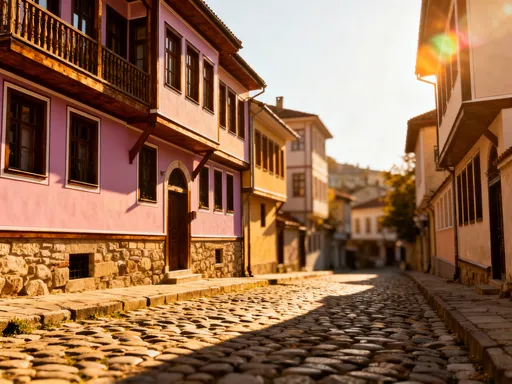
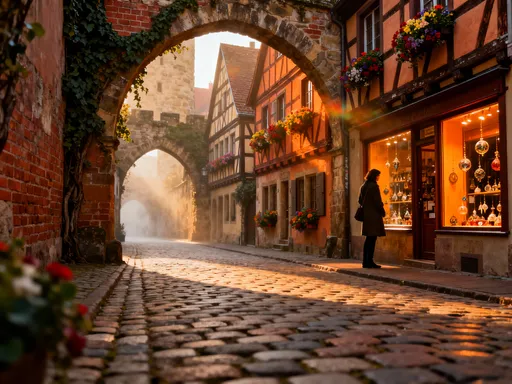
Plovdiv’s Old Town, perched on three of the city’s seven hills, is a masterpiece of National Revival architecture from the 18th and 19th centuries. As you ascend the winding cobbled paths, the air grows cooler and quieter, and the city below fades into a mosaic of red rooftops and treetops. Here, rows of preserved mansions with overhanging wooden balconies and intricately carved eaves line the narrow streets, their facades painted in muted pinks, yellows, and blues. These homes were once residences of wealthy merchants and artisans, symbols of a growing Bulgarian identity during the final centuries of Ottoman rule.
What makes these buildings so captivating is the attention to detail. Each house features unique architectural flourishes—hand-carved floral and geometric motifs on the eaves, asymmetrical window placements, and ornate wooden galleries that project outward, maximizing interior space while adding visual rhythm to the streetscape. The interiors often follow a traditional layout with central halls, surrounding rooms, and courtyards that once served as private retreats. Many of these homes have been restored and converted into museums, guesthouses, or cultural centers, allowing visitors to step inside and experience their craftsmanship firsthand.
Wandering through the Old Town feels like moving through a living gallery. Art galleries and small boutiques occupy former storage rooms and ground-floor chambers, displaying local paintings, ceramics, and textiles. Hidden courtyards open unexpectedly, some with fountains, climbing vines, or outdoor seating where you can pause with a cup of herbal tea. The pace here encourages slowness—there’s no rush, no loud advertisements, just the sound of footsteps on stone and the occasional burst of music from an open window.
One of the most photographed spots is the Street of Captains, named after the merchant families who once lived there. Houses like the Balabanov House and the Hindliyan House stand out for their elaborate decorations and well-preserved interiors. These are not staged reconstructions but carefully maintained spaces that reflect genuine historical lifestyles. The fact that many are still privately owned adds to the neighborhood’s authenticity. Visitors are reminded to be respectful when photographing homes, recognizing that this is not a set but someone’s residence—a small but important detail that underscores Plovdiv’s balance between openness and privacy.
Roman Grandeur Meets Modern Life: The Amphitheatre and Beyond
One of Plovdiv’s most breathtaking landmarks is the Ancient Theatre of Philippopolis, built in the 1st century AD under Emperor Trajan. Carved into the northern slope of Nebet Tepe, one of the city’s seven hills, this impressive structure could seat up to 7,000 spectators and was used for performances, political gatherings, and religious ceremonies. Today, it remains fully functional, hosting concerts, operas, and cultural events that echo across the same stones once walked by Roman citizens. Standing in the orchestra area and looking up at the tiered seating, surrounded by greenery and city views, is a profoundly moving experience—a direct connection to antiquity made vivid through use.
What sets Plovdiv apart is how seamlessly its ancient sites are integrated into daily life. Unlike archaeological zones cordoned off behind fences, the theatre is accessible without entry fees and is often passed by locals on their way to work or school. Parents push strollers along the outer paths, students read under the shade of nearby trees, and tourists explore at their own pace. This coexistence of past and present gives the city a rare authenticity. The past isn’t preserved in isolation; it’s part of the living fabric.
Another remarkable example of this integration is the remains of the Roman Stadium, once the largest in the Balkans. Though much of it lies beneath modern streets, a long section of the track and seating has been uncovered and preserved under glass panels along Tsar Simeon Boulevard in the city center. Walking over these panels, you can clearly see the outline of the stadium’s structure—massive stone blocks arranged in perfect symmetry. It’s a subtle yet powerful reminder of how deeply history runs beneath the surface of everyday life in Plovdiv.
Other Roman remnants include the fortress walls of Nebet Tepe, parts of an aqueduct, and the foundations of public baths. These fragments are not always marked with grand signage or ticket booths. Instead, they appear naturally in the landscape—integrated into parks, visible from sidewalks, or tucked behind buildings. This approach reflects a philosophy of respectful coexistence rather than commercialization. For visitors, it means discovering history not through guided tours alone, but through observation and curiosity. The city rewards those who look closely, offering quiet moments of connection with a past that never truly faded.
Street Art and Urban Contrasts: When History Gets a Modern Makeover
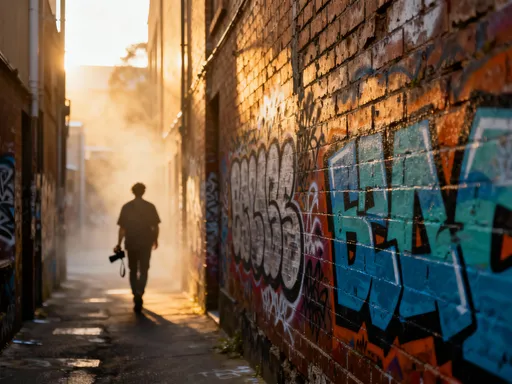
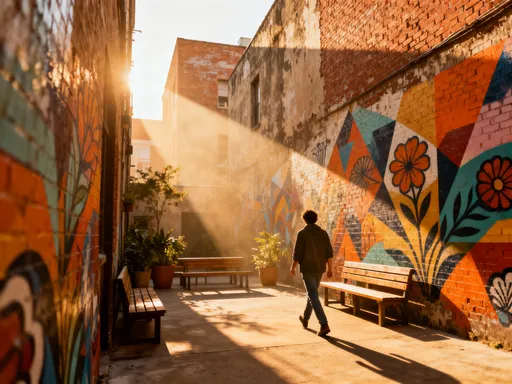
While Plovdiv honors its ancient and imperial past, it also embraces contemporary expression through vibrant street art. Across several neighborhoods, especially in the revitalized district of Kapana, murals transform blank walls into dynamic canvases. These artworks range from large-scale figurative paintings to abstract designs and social commentary, all contributing to a growing reputation as a city where creativity thrives. Unlike places where graffiti is seen as vandalism, in Plovdiv, urban art is welcomed as a form of cultural dialogue—one that enhances rather than disrupts the historic environment.
The contrast between old and new is especially striking. A crumbling Ottoman-era wall might host a colorful mural of a mythical creature, or a faded industrial building could be brought to life with a hyper-realistic portrait. These interventions don’t erase history; instead, they create visual conversations between centuries. One mural depicts a Roman gladiator wearing headphones, blending antiquity with modern leisure. Another shows a traditional Bulgarian woman emerging from a geometric pattern, symbolizing continuity and change. These images resonate with both locals and visitors, offering fresh perspectives on identity and memory.
Street art in Plovdiv is largely the result of organized festivals and community initiatives, not random tagging. Events like the Plovdiv Street Art Festival have invited artists from across Europe to contribute legally sanctioned works, ensuring quality and coherence. As a result, the murals feel intentional and meaningful, not chaotic. Many pieces reflect themes of nature, mythology, or social unity, aligning with the city’s emphasis on cultural richness and inclusivity. The art is also strategically placed—visible from main streets but often discovered in quieter corners, encouraging exploration beyond the usual tourist paths.
This thoughtful integration of modern art into historic spaces demonstrates how preservation and innovation can coexist. Rather than freezing the city in time, Plovdiv allows it to evolve while maintaining its soul. The murals do not overwhelm the architecture; instead, they highlight it, drawing attention to forgotten facades and neglected alleyways. For visitors, especially those interested in photography or urban culture, these artistic interventions offer endless opportunities for discovery and inspiration.
Kapana Creative District: Cool Vibes and Architectural Surprises
Kapana, which means “The Trap” in Bulgarian, earned its name from its maze-like network of narrow streets that once confused intruders. Today, it’s one of Plovdiv’s most dynamic neighborhoods, known for its creative energy, independent businesses, and adaptive reuse of industrial architecture. Once a neglected area of workshops and storage buildings, Kapana has been transformed through grassroots efforts into a hub for designers, artists, and food lovers. The transformation respects the area’s character—brick walls, exposed beams, and original doorways are preserved, while interiors are reimagined for modern use.
Walking through Kapana feels like stepping into a curated urban experiment. Former factories now house design studios, craft beer breweries, vintage clothing stores, and cozy cafés with outdoor seating spilling into the cobblestone lanes. Each establishment has its own personality, often reflecting the owner’s aesthetic—minimalist, bohemian, or retro-industrial. Architectural details like arched windows, metal shutters, and wooden beams are highlighted rather than hidden, creating a sense of continuity between past function and present purpose. Even the signage is thoughtfully designed, avoiding flashy logos in favor of hand-painted or typographic styles that complement the surroundings.
What makes Kapana special is its lack of overt commercialization. Unlike trendy districts in larger cities that quickly become saturated with chain stores and high prices, Kapana has maintained a local, accessible feel. Prices remain reasonable, and many venues are owner-operated, fostering personal connections between visitors and hosts. Live music often spills from open doors, and during weekends, pop-up markets and art exhibitions animate the streets. The neighborhood hosts regular cultural events, from poetry readings to fashion shows, reinforcing its role as a creative incubator.
For families and mature travelers alike, Kapana offers a welcoming atmosphere where curiosity is rewarded. Children might be drawn to colorful murals or interactive installations, while adults appreciate the quality of coffee, craft beer, or handmade goods. The area is also stroller-friendly, with smooth pathways and ample seating. More than just a place to shop or eat, Kapana represents a successful model of urban regeneration—one that prioritizes community, authenticity, and aesthetic harmony over profit and mass appeal.
Practical Magic: How to Experience Plovdiv Like a Pro
Visiting Plovdiv is refreshingly straightforward, with excellent connectivity and visitor-friendly infrastructure. The easiest way to reach the city is by train or bus from Sofia, Bulgaria’s capital, with journey times averaging around two hours. Plovdiv also has its own international airport, though flights are limited; most travelers connect through Sofia and take ground transportation. Once in the city, everything in the center is walkable, especially the Old Town, Kapana, and the main cultural sites. Public buses are reliable and inexpensive for reaching outer neighborhoods or day trips to nearby attractions like the Bachkovo Monastery.
For the best experience, plan your visit during spring (April to June) or early autumn (September to October). These seasons offer mild temperatures, clear skies, and fewer crowds, making it ideal for photography and leisurely exploration. Early morning light is particularly magical in the Old Town, when the pastel houses glow softly and the streets are quiet. Golden hour—just before sunset—casts a warm hue over the amphitheatre and cityscape, creating perfect conditions for capturing memorable images. Avoid midday in summer, as temperatures can rise, especially on stone surfaces and uphill paths.
When mapping your walking route, start at the Roman Stadium on Tsar Simeon Boulevard and make your way to the Ancient Theatre, then climb up to the Old Town via the covered pedestrian bridge. From there, descend into Kapana for lunch or coffee before exploring its side streets. This loop covers the major highlights while allowing time for spontaneous discoveries. Comfortable walking shoes are essential—the terrain is uneven, and many streets are cobbled.
Accommodation options range from boutique guesthouses in restored National Revival houses to modern hotels near the train station. Staying in or near the Old Town offers the most immersive experience, with easy access to quiet streets and scenic views. Many family-run lodgings provide personalized recommendations and homemade breakfasts, adding warmth to your stay. For budget-conscious travelers, hostels and small pensions in Kapana offer clean, stylish rooms at affordable rates.
While photography is encouraged, be mindful of private residences, especially in the Old Town. Avoid using tripods in narrow lanes where they obstruct foot traffic, and ask permission before photographing people. Respectful behavior enhances your experience and supports the community that maintains this unique environment. Lastly, engage with locals—many speak English, especially younger residents, and are happy to share stories or recommendations. A simple greeting in Bulgarian, like “Zdravey” (Hello), goes a long way in building friendly connections.
Why Plovdiv Stays With You: Beauty Rooted in Authenticity
Plovdiv’s lasting impression comes not from grand monuments alone, but from the quiet moments in between—the scent of jasmine in a hidden courtyard, the sound of a violin drifting from an open window, the way sunlight hits a mural at dusk. This is a city where beauty is not staged for cameras but emerges naturally from layers of history, craftsmanship, and daily life. There’s a deep sense of pride among residents in preserving their heritage while embracing new ideas, and that spirit is palpable to visitors.
What makes Plovdiv truly special is its balance. It honors the past without being trapped by it. It welcomes tourism without sacrificing authenticity. It fosters creativity without losing its soul to gentrification. In an age when many destinations feel increasingly homogenized, Plovdiv stands as a model of sustainable, meaningful urban travel. It invites not just sightseeing, but connection—with architecture, with art, with people, and with time itself.
For women in their 30s to 50s who value culture, comfort, and genuine experiences, Plovdiv offers a refreshing escape. It’s safe, walkable, rich in history, and full of small delights that unfold at a human pace. Whether you’re traveling solo, with a partner, or with family, the city accommodates with warmth and elegance. You don’t need to be an expert in architecture or history to appreciate it—just open to beauty in its many forms.
In the end, Plovdiv stays with you because it feels real. It doesn’t try too hard. It simply is—ancient and modern, quiet and vibrant, rooted and evolving. To visit is to remember what cities can be when they are shaped by care, continuity, and community. And perhaps, that’s the most mind-blowing architecture of all—the invisible structure of a place that feels like it belongs to itself, and generously welcomes you in.