Wandering Through Walls: Where Melbourne’s Soul Meets Street Art
Ever stumbled upon a lane that feels like a living gallery? Melbourne does that to you. I roamed its alleys with no map, just curiosity—and found art breathing on bricks, colour exploding around corners. This isn’t just painting; it’s pulse. From hidden stencils to massive murals, the city speaks through its art spaces. Let me take you where the streets tell stories, and wandering becomes wonder. Melbourne’s laneways are not merely passageways—they are stages for expression, where every wall holds a whisper of rebellion, identity, and beauty. In a world where cities increasingly sanitize public space, Melbourne chooses to animate it, proving that art need not be confined to museums to be meaningful. This is a city that listens to its people, and paints back.
The Pulse of Urban Canvas
Melbourne’s art spaces are not tucked behind velvet ropes or climate-controlled glass—they live on cracked concrete, weathered brick, and railway underpasses. The city’s heartbeat thrums not only in its cafes and trams but in the ever-changing murals that line its narrow alleys. Unlike traditional galleries, these open-air exhibitions are democratic by nature. Anyone can view them, anyone can contribute, and most importantly, anyone can feel seen. Street art in Melbourne is not a fringe movement; it is woven into the fabric of daily life, a visual dialogue between artist and citizen, past and present.
What sets Melbourne apart is its official recognition of street art as a legitimate cultural force. The city council has designated legal graffiti zones, such as the famous Hosier Lane, where artists can create without fear of prosecution. This policy has transformed the urban landscape into a rotating gallery, where works appear overnight and vanish just as quickly, replaced by new messages, styles, and emotions. The result is a dynamic, breathing cityscape—one that refuses to be static. Tourists often arrive expecting curated art walks, but what they discover is something far more authentic: a living, evolving conversation painted in spray paint and passion.
The integration of art into everyday environments is seamless. A mother pushing a stroller passes a mural depicting Indigenous Dreamtime stories. Office workers sip flat whites beneath a towering portrait of a local poet. Students photograph a satirical stencil commenting on housing affordability. These moments are not staged—they are ordinary, yet profound. Art in Melbourne does not demand attention; it earns it through relevance, beauty, and honesty. This accessibility ensures that creativity is not reserved for the elite but shared by all, reinforcing a culture of inclusivity and expression.
Moreover, the city’s support extends beyond tolerance. Programs like the Street Art Grant and partnerships with local councils provide funding and scaffolding for large-scale projects. These initiatives ensure that murals are not only visually striking but structurally sound and environmentally safe. Artists are invited to collaborate with communities, turning blank walls into shared narratives. In this way, Melbourne’s street art is not just seen—it is felt, discussed, and remembered. It becomes part of the city’s collective memory, a visual archive of its values, struggles, and dreams.
Hosier Lane: More Than a Postcard
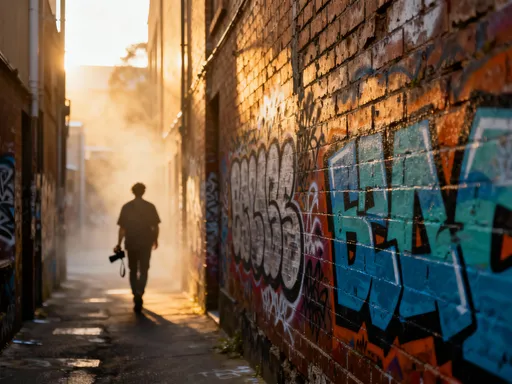
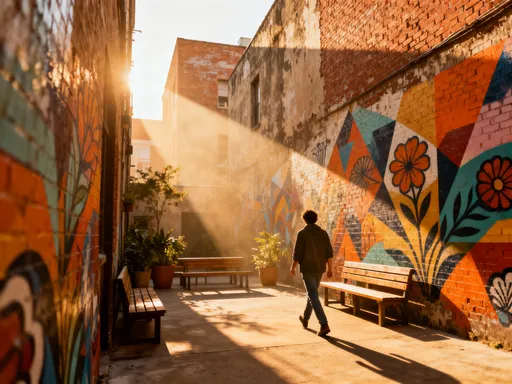
No journey through Melbourne’s street art scene is complete without stepping into Hosier Lane. It is, without question, the city’s most photographed alley—a narrow corridor pulsing with colour, texture, and energy. But to reduce it to a backdrop for selfies is to miss its soul. Hosier Lane is not a monument; it is a living organism, shedding layers and growing new ones with relentless frequency. Every visit offers a different experience, as yesterday’s masterpiece may be partially obscured by today’s political statement or poetic fragment.
The lane’s evolution is organic and unregulated. While legal, it operates on an unwritten code: respect the space, build on the legacy, and leave room for others. Tags, stencils, paste-ups, and murals coexist in a chaotic harmony, each vying for attention yet contributing to a greater whole. Beneath the vibrant surface, older works peek through—ghost images of past messages, faded but not forgotten. This palimpsest effect gives Hosier Lane a historical depth rare in urban art, a sense that every mark matters, even if it’s eventually covered.
For locals, the best time to experience Hosier is early in the morning, before the tour groups arrive. At dawn, when the sun slices diagonally across the walls, the textures come alive. Shadows deepen, colours intensify, and the space feels intimate, almost sacred. Street performers—musicians, dancers, living statues—often begin their routines here, adding sound and movement to the visual feast. It is in these quiet hours that the lane reveals its true character: not as a tourist attraction, but as a sanctuary for creativity.
Despite its fame, Hosier Lane remains defiantly raw. There are no plaques, no guided explanations, no admission fees. The art speaks for itself, in languages both literal and symbolic. Messages about climate change, mental health, and social justice appear alongside whimsical characters and abstract forms. This blend of urgency and imagination captures the spirit of Melbourne—thoughtful, expressive, and unafraid to challenge. To walk through Hosier Lane is not just to observe art; it is to participate in a city’s ongoing conversation with itself.
AC/DC Lane and the Sound of Colour
A short walk from Hosier Lane lies another icon of Melbourne’s creative pulse: AC/DC Lane. Named in honour of the legendary Australian rock band, this narrow passage embodies the same raw energy and rebellious spirit. Here, the connection between music and visual art is unmistakable. The walls vibrate with bold typography, electric colours, and imagery that feels like a guitar solo frozen in time. Graffiti drips like feedback, stencils pulse like drumbeats, and murals explode like power chords.
AC/DC Lane is more than a tribute to rock ‘n’ roll—it is a celebration of artistic defiance. The works here often reflect themes of freedom, resistance, and individuality, echoing the ethos of the band that inspired the lane’s name. Unlike Hosier, which is dominated by spontaneous expression, AC/DC Lane features a mix of street art and curated installations. Galleries such as Daine Singer and MARS Gallery anchor the northern end, creating a bridge between underground culture and the formal art world. This juxtaposition is intentional, reflecting Melbourne’s ability to honour both chaos and curation.
The lane also serves as a cultural hub during events like Melbourne Music Week and the Next Wave Festival. Artists and musicians collaborate on live performances, turning the space into a multi-sensory experience. A mural might be painted in real time while a local band plays nearby, creating a moment of shared creation. These events draw diverse crowds—families, students, artists, retirees—united by a love of expression. In these moments, AC/DC Lane becomes more than a street; it becomes a stage for community.
What makes this area particularly compelling is its balance between permanence and impermanence. Some murals are commissioned and protected, while others are temporary, destined to be painted over. This fluidity keeps the space alive, ensuring that no two visits are the same. It also reflects a deeper truth about art and life: nothing is fixed, and beauty often lies in the fleeting. For visitors, AC/DC Lane offers not just visual stimulation but emotional resonance—a reminder that creativity thrives where rules are challenged and boundaries are blurred.
Beyond the Centre: Hidden Walls in North and West
To truly understand Melbourne’s street art, one must venture beyond the CBD. In suburbs like Footscray, Brunswick, and Newport, the murals shift in tone and intention. Here, art is less about aesthetic experimentation and more about community identity. These works are not created for Instagram likes; they are born from local stories, cultural pride, and social advocacy. The walls speak in multiple languages, reflect diverse histories, and honour the people who live in these neighbourhoods.
In Footscray, murals celebrate the area’s multicultural heritage. Vietnamese, Sudanese, and Afghan influences appear in vibrant patterns, traditional motifs, and bilingual text. One large-scale piece depicts a grandmother weaving a rug, her hands forming the roots of a tree whose branches hold family portraits. Another shows a marketplace scene, alive with colour and movement, symbolising the suburb’s role as a cultural crossroads. These works are not decorative—they are declarations of presence, affirming that every community has a right to belong and be seen.
Brunswick, long known for its progressive values, hosts murals focused on environmental justice, renters’ rights, and Indigenous sovereignty. A powerful piece on a former factory wall shows a First Nations elder standing beside a young activist, their hands joined over a map of unceded land. The background fades from industrial grey to lush green, symbolising healing and reclamation. These works are often the result of community consultations, ensuring authenticity and respect. Artists collaborate with local groups, schools, and elders, making the creative process as important as the final product.
The City of Melbourne and surrounding councils support these projects through grants and public art programs. The Street Art Grant, for example, funds works that promote social cohesion, cultural expression, and environmental awareness. These initiatives ensure that art in the outer suburbs is not an afterthought but a priority. Unlike the fast-changing lanes of the city centre, many of these murals are designed to last, protected with anti-graffiti coatings and maintained by local volunteers. They become landmarks, points of pride, and educational tools—art that serves as both mirror and compass for the community.
The Artists Behind the Aerosols
Behind every spray can is a story. While many street artists remain anonymous, their work carries weight, emotion, and intention. Some, like Rone, have gained international acclaim while staying deeply connected to Melbourne’s roots. Known for his hauntingly beautiful portraits of women, often painted on derelict buildings, Rone’s work explores themes of memory, decay, and beauty. His large-scale pieces, which age with the structures they adorn, challenge the notion that street art is temporary. Instead, he shows how it can evolve, gathering meaning over time.
Another prominent figure is Ha-Ha, whose satirical stencils blend humour with sharp social commentary. His works often feature animals in human situations—a koala in a business suit, a kangaroo holding a protest sign—using irony to critique consumerism, politics, and environmental neglect. Despite his global following, Ha-Ha continues to create in Melbourne’s alleys, valuing the city’s openness and creative freedom. For him, the street is not a platform for fame but a space for honest conversation.
Many artists speak of a shared belief: art should be accessible. In a world where galleries can feel intimidating or exclusive, street art meets people where they are—on their commute, during a coffee run, while walking the dog. The act of creating in public is itself a political statement, a rejection of gatekeeping and elitism. Artists often describe the joy of seeing someone pause, stare, or take a photo. That moment of connection—fleeting but real—is what fuels their work.
Festivals like the Stencil Art Prize and Next Wave provide platforms for emerging voices, especially young and diverse artists. These events encourage experimentation, risk-taking, and collaboration. They also offer mentorship, resources, and visibility, helping artists transition from alleyways to studios, without losing their edge. Through these networks, Melbourne nurtures a new generation of creators who see art not as a luxury but as a necessity—a vital part of how we understand ourselves and each other.
How to Wander with Purpose
Exploring Melbourne’s street art is best done with curiosity, not a checklist. While maps and apps can help, the most memorable discoveries often come from getting lost. Still, a few practical tips can deepen the experience. Comfortable footwear is essential—cobblestones, uneven pavement, and long walks are part of the journey. A light jacket is wise, as Melbourne’s weather shifts quickly, and many lanes are shaded and cool even on sunny days.
A camera or smartphone is useful, but it should not replace presence. Too often, visitors see the city through a lens, missing the texture, the silence between sounds, the way light moves across a mural at different times of day. The goal is not to capture every piece but to let a few resonate. Some of the most powerful works are not the largest or brightest—they are the subtle ones, tucked above a doorway or hidden beneath a bridge. A small stencil of a bird in flight, a faded poem on a shutter, a child’s drawing preserved under clear coat—these quiet moments often carry the deepest meaning.
A good starting point is Southbank, near Flinders Street Station. From there, wander through Rutledge Lane, Centre Place, and Duckboard Place, allowing instinct to guide the route. Each alley offers a different mood—some playful, some political, some purely aesthetic. Apps like Street Art Map can provide gentle guidance, highlighting recent additions or artist spotlights without dictating the path. The key is to move slowly, to look up, down, and around, and to allow time for reflection.
Engaging with local businesses enhances the experience. Many cafes and shops in art-rich areas support the culture, displaying artist merchandise or hosting small exhibitions. A coffee break at Degraves Street, beneath a vibrant mural, becomes part of the journey. Conversations with baristas or shop owners often yield hidden gems—“Have you seen the new piece in Croft Alley?” or “The artist who did that just opened a studio nearby.” These human connections enrich the wander, turning a visual tour into a lived experience.
Why This City Paints Its Soul
Melbourne’s embrace of street art is not just about aesthetics; it reflects a deeper cultural commitment to freedom, diversity, and belonging. In a time when many cities criminalise graffiti and prioritise uniformity, Melbourne chooses dialogue over control. It recognises that art in public spaces does not degrade a city—it deepens it. Murals do not hide the urban fabric; they reveal its soul. They turn冷漠 concrete into conversation, anonymity into connection, and streets into stories.
This openness fosters a sense of ownership and pride. Locals see their values reflected in the art—whether it’s a call for climate action, a tribute to migrant families, or a celebration of First Nations culture. Visitors, in turn, feel welcomed into something authentic, not staged. They are not passive consumers but witnesses to a living culture. In this exchange, the city becomes more than a destination; it becomes a participant in the journey.
Moreover, Melbourne’s model offers a blueprint for other cities. It proves that creativity and order are not opposites—that with thoughtful policy, community involvement, and respect for artists, urban spaces can be both functional and beautiful. Legal walls, funding programs, and educational initiatives create an ecosystem where art thrives without conflict. Graffiti is not suppressed; it is channelled, nurtured, and elevated.
Wandering through Melbourne’s lanes is not just an act of tourism. It is an act of communion—with the city, with its people, with the invisible hands that paint its walls. It is a reminder that beauty can grow in unexpected places, that voices matter even when uncredited, and that a city’s true character is not in its skyline but in its side streets. Here, every wall has a story. All you need to do is walk, look, and listen.