Denver Unfiltered: My Urban Escape Through Street Art, Skyline Views, and Hidden Courtyards
You know that feeling when a city surprises you? I arrived in Denver expecting mountains and coffee, but found something way cooler—pulsing urban energy in every alley and plaza. From graffiti-covered underpasses to sunlit rooftop escapes, the city’s urban spaces are alive. This is not just a stopover town. It’s a place where concrete meets creativity. Let me show you why checking in here feels like discovering a secret side of America’s West. While the Rockies rise in the distance, it’s the streets, courtyards, and elevated viewpoints of downtown that offer a more intimate, human-scale experience. Denver doesn’t shout; it whispers through textures, colors, and thoughtful design. In a world where so many cities blend together, this one stands apart—not because of size, but because of intention.
First Impressions: Stepping Into Denver’s Urban Pulse
Arriving at Denver Union Station sets the tone for what’s to come. The grand, restored Beaux-Arts building stands as a bridge between eras—its sandstone façade and clock tower honoring the past, while inside, sleek lines, natural light, and modern amenities signal the present. The moment you step off the train or bus, you feel movement. Commuters weave through the Great Hall, locals grab coffee from artisan kiosks, and travelers pause beneath the high ceilings, orienting themselves with maps and curiosity. This is not just a transit hub; it’s a living room for the city, where journeys begin and connections form.
What makes Denver’s urban pulse so distinctive is its walkability. Unlike many American cities built around the car, Denver invites you to explore on foot. Wide sidewalks, clearly marked crosswalks, and pedestrian-first signals make navigation intuitive. The 16th Street Mall, a free shuttle corridor running through the heart of downtown, links key districts without requiring a car. Bike lanes line major streets, and the B-cycle program offers convenient rentals at stations across the city. These elements don’t just make travel easier—they shape the rhythm of the experience, allowing visitors to move at a human pace, noticing details they might otherwise miss.
Urban design plays a quiet but powerful role in shaping how we feel in a place. In Denver, the integration of public transit, pedestrian zones, and mixed-use development creates a sense of continuity. You can step off a light rail train, grab a locally roasted coffee, browse an independent bookstore, and find yourself in a sun-drenched plaza—all within a few blocks. This seamless flow fosters a sense of belonging, even for first-time visitors. It’s not about grand monuments or tourist traps; it’s about the ease of being in the city, of feeling like you can belong, even briefly, to its daily life.
The Heart of the City: Larimer Square and the Revival of Downtown
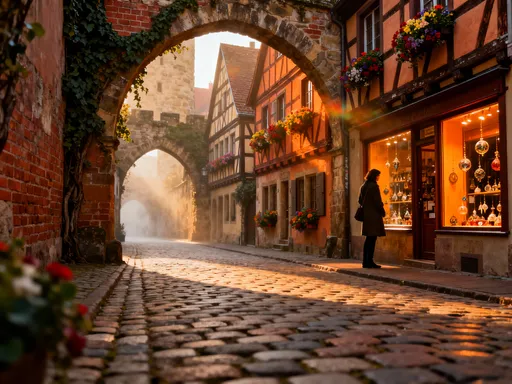
If Denver has a historic soul, it lives on Larimer Square. As the city’s oldest commercial block, dating back to 1858, it has witnessed every phase of Denver’s evolution—from frontier outpost to industrial center to modern metropolis. Today, it stands as a model of adaptive reuse, where 19th-century brick and sandstone buildings have been carefully restored and repurposed into a vibrant destination. Gaslit lanterns line the cobblestone street, casting a warm glow after sunset, while awnings and flower boxes add charm during the day. It’s a place that feels both timeless and alive.
What sets Larimer Square apart is its balance of preservation and innovation. The architecture remains true to its roots, but the uses inside are thoroughly contemporary. Boutique shops offer handmade jewelry, curated clothing, and Colorado-made goods. Outdoor patios spill onto the sidewalk, encouraging conversation and connection. Seasonal events—from holiday markets to summer music series—activate the space, drawing locals and visitors alike into the rhythm of city life. These gatherings aren’t staged for tourists; they’re authentic expressions of community, where the city opens its doors and invites you in.
The success of Larimer Square lies in its human scale. Buildings rise no higher than five or six stories, creating an intimate streetscape where the sky is always visible and the pace feels relaxed. Canopies and awnings provide shade in summer and shelter in sudden mountain showers. Benches and planters encourage lingering, turning what could be just a shopping street into a place for rest and reflection. This attention to detail reflects a deeper philosophy: that great urban spaces aren’t just about what they look like, but how they make people feel. In Larimer Square, you feel welcomed, engaged, and connected to the city’s history and present.
Art Where You Least Expect It: Street Murals and Public Creativity
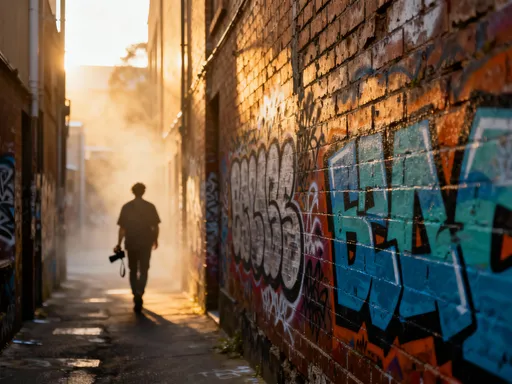
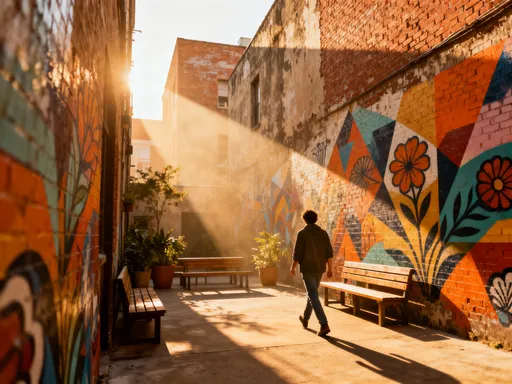
Just north of downtown, the River North Art District—known as RiNo—transforms what was once an industrial corridor into a canvas for public expression. Here, warehouse walls, alleyways, and even utility boxes become stages for bold, colorful murals. The art is not confined to galleries; it’s everywhere, turning ordinary streets into open-air exhibitions. You don’t need a ticket or a schedule—just curiosity and a willingness to wander. The experience is immersive, with each corner revealing a new visual story, from abstract patterns to portraits of local figures, from nature-inspired motifs to surreal dreamscapes.
RiNo’s transformation began in the early 2000s, when artists seeking affordable studio space moved into vacant factories and began reclaiming the neighborhood through creativity. Over time, the city recognized the cultural value of this organic movement and implemented policies to support it, including a designated Art District on Santa Fe and incentives for building owners to allow murals. This collaboration between artists, property owners, and city planners turned RiNo into a national model for how public art can revitalize urban areas. The result is a district that feels authentic, not curated for Instagram, but born from genuine community expression.
For visitors, engaging with street art means more than taking photos. It’s about understanding context—how these works reflect local identity, social themes, and the spirit of a place in transition. Many murals incorporate elements of Colorado’s landscape, from mountains to wildflowers, grounding the art in its environment. Others address broader human themes, such as resilience, diversity, and connection. The best way to experience RiNo is slowly, on foot, allowing the art to unfold naturally. Respect is key: these are not just decorations, but expressions of creativity that belong to the neighborhood. Avoid touching the walls, and be mindful of private property when exploring side streets.
Green Spaces in the Grid: How Parks Shape Denver’s Urban Rhythm
In a city defined by concrete and steel, parks provide essential balance. Denver understands this, weaving green spaces into the urban fabric so that no resident or visitor is ever far from nature. Civic Center Park, at the heart of downtown, is a prime example. Framed by the State Capitol, the City and County Building, and the Denver Art Museum, it serves as both a civic plaza and a place of respite. Fountains catch sunlight during the day, trees offer shade, and wide lawns invite picnics, yoga sessions, and impromptu gatherings. In winter, the same space hosts holiday events and ice-skating, proving its year-round relevance.
What makes Civic Center Park effective is its design. Pathways radiate from the central fountain, guiding movement without feeling restrictive. Benches are strategically placed to face views or provide quiet corners. Lighting ensures safety after dark, while open sightlines maintain a sense of connection to the surrounding city. These details reflect a deeper urban planning principle: that public parks are not afterthoughts, but essential infrastructure. They improve air quality, reduce urban heat, and support mental well-being. For visitors, they offer a chance to slow down, breathe, and reset amidst the energy of city life.
Skyline Park, further west along the 16th Street Mall, takes a different approach. Its distinctive blue metal canopies, inspired by mountain peaks, create a unique visual identity. Though smaller, it functions as a green connector, linking neighborhoods and providing seating, shade, and seasonal programming. Both parks demonstrate how thoughtful design—proximity, accessibility, comfort—makes green spaces usable and loved. They are not just decorative, but functional, serving as lungs for the city and stages for community life. For travelers, a pause in one of these parks isn’t a detour; it’s part of the journey.
Rooftop Escapes: Elevated Views and Skyline Vibes
Sometimes, the best way to understand a city is to rise above it. Denver offers several accessible rooftop spaces where visitors can gain a new perspective—literally. Whether it’s a hotel terrace, a restaurant deck, or a public observation point, these elevated vantage points reveal the city’s layout, its relationship to the mountains, and the interplay of light and shadow across the urban grid. At sunset, the skyline glows in warm hues, while the Front Range turns golden, creating a backdrop that few cities can match.
The experience of being on a rooftop is more than visual. It’s sensory. You feel the breeze, hear distant sounds—the hum of traffic, the laughter from a nearby patio, the occasional train whistle. The air is cooler, crisper, carrying the scent of food from outdoor kitchens. These moments of elevation offer a mental shift, too. From above, the city feels both vast and manageable, a network of streets and buildings that suddenly makes sense. It’s a reminder that cities are not just places we pass through, but complex, living systems shaped by history, geography, and human intention.
Finding these rooftop spaces doesn’t require special access. Many downtown hotels welcome visitors to their bars or lounges, especially during daylight hours. Some restaurants offer outdoor seating with skyline views, particularly on upper floors. The key is to ask, explore, and be open to discovery. You don’t need a reservation or a luxury budget—just a sense of adventure. And while the views are stunning, the real value lies in the pause they invite. In a world of constant movement, a rooftop moment encourages stillness, reflection, and appreciation for the city below.
Hidden Courtyards and Alleyways: Discovering Denver’s Quiet Corners
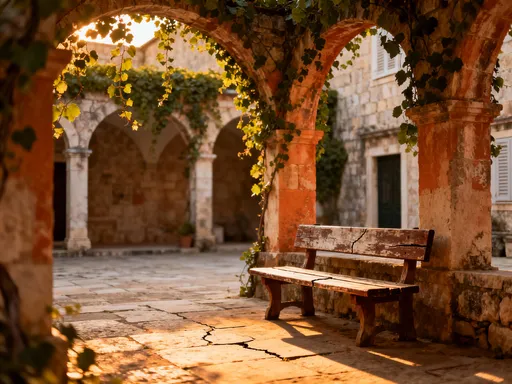
Amid the energy of downtown, Denver hides pockets of calm—interior courtyards, repurposed alleyways, and quiet plazas that offer refuge from the urban rush. These spaces are easy to miss if you’re walking quickly, but they reward those who look closely. Tucked behind unassuming entrances or down narrow passages, they reveal themselves like secrets. One moment you’re on a busy street, the next you’re in a sunlit courtyard with fountains, greenery, and the soft sound of water. The change in atmosphere is immediate—the noise fades, the pace slows, and the city feels different.
These hidden spaces are not accidents; they are the result of intentional urban design. Wayfinding signs, subtle lighting, and inviting entrances guide people toward them. Some alleyways have been transformed with murals, seating, and lighting, turning what were once dark, neglected passages into safe, engaging corridors. Others remain understated, preserving their quiet character. The textures—brick walls, stone paths, wooden benches—add to the sensory experience, grounding visitors in the moment. These details matter, because they shape how people use and feel in a space.
For travelers, discovering a hidden courtyard feels like a personal triumph. It’s not on every map, not promoted on every tour, but it’s real and authentic. These spaces remind us that cities are layered, with depths beyond the obvious sights. They invite curiosity, exploration, and a slower way of seeing. In a world that often values speed and efficiency, Denver’s quiet corners offer an alternative: a chance to linger, to listen, to notice the small things that make a place special.
Why Urban Spaces Matter: The Bigger Picture Behind City Exploration
Denver’s appeal goes beyond individual attractions. It lies in the way the city has invested in its urban fabric—walkable streets, public art, green spaces, and human-scale design. These elements don’t just enhance tourism; they improve quality of life for residents, making the city more livable, inclusive, and resilient. When cities prioritize people over cars, creativity over conformity, and nature over concrete, they create environments where both visitors and locals can thrive.
The lessons from Denver are universal. Thoughtful urban planning isn’t about grand gestures; it’s about details—the width of a sidewalk, the placement of a bench, the color of a mural. These small choices accumulate into a larger experience, shaping how we move, connect, and feel in a place. For travelers, this means richer, more meaningful journeys. Instead of rushing from landmark to landmark, you can wander, discover, and belong—even briefly. You begin to see the city not as a checklist, but as a living, breathing entity with its own rhythm and soul.
So the next time you visit a city, slow down. Look beyond the postcard views. Step into an alley, sit in a park, climb to a rooftop, or wander into a hidden courtyard. Let the city reveal itself in its details, its textures, its quiet moments. Denver teaches us that the most memorable travel experiences aren’t always the loudest or most famous—they’re the ones that surprise us, challenge us, and invite us to see the world differently. In the end, it’s not just about where we go, but how we move through the spaces in between.