Taste of the Wild: How Berlin’s Green Heart Feeds Its Soul
Imagine biting into a fresh, flaky pretzel at a forest-side bakery, then hiking through quiet pine trails just 20 minutes from a bustling city center. Berlin isn’t just about history and art—its lush parks, riverside paths, and urban farms shape a food culture rooted in nature. This is where slow living meets bold flavor, and every meal feels connected to the land. With over 2,500 green spaces, 150 lakes, and forests stretching beyond the city’s edge, Berliners don’t visit nature—they live within it. The result is a culinary rhythm shaped by seasons, soil, and sustainability. Here, eating well means eating close to the source, whether it’s wild mushrooms from the Grunewald or strawberries picked at a community garden in Prenzlauer Berg. This is the taste of the wild—and it’s at the heart of Berlin’s soul.
The Green Pulse of Berlin
Berlin defies the traditional divide between city and countryside. More than 44 percent of the city’s total area is composed of parks, forests, lakes, and rivers—making it one of the greenest capital cities in Europe. This isn’t accidental landscaping; it’s a deeply rooted part of urban identity. Nature isn’t something residents escape to on weekends—it’s woven into the rhythm of daily life. Whether it’s a morning jog through Tiergarten, a family picnic at Mauerpark, or a bicycle ride across the open expanse of Tempelhofer Feld, green spaces are not just amenities but essential infrastructure for well-being, recreation, and even food culture.
Key areas like the Grunewald forest, stretching over 3,000 hectares in the southwest, offer dense woodland trails, clear lakes, and habitats for native flora and fauna. Tiergarten, the city’s central park, is more than a scenic landmark—it’s a living ecosystem where bees pollinate wildflowers and urban foragers search for edible plants. Tempelhofer Feld, the repurposed airport turned public park, hosts community gardens, kite-flyers, and open-air fitness classes, embodying Berlin’s innovative spirit in transforming underused spaces into green, social hubs. These areas do more than provide shade and fresh air—they shape how Berliners eat, move, and connect with their environment.
The accessibility of nature plays a crucial role in influencing food habits. Many Berliners walk or cycle to nearby forests or allotment gardens, where they gather seasonal ingredients or grow their own produce. The city’s proximity to waterways like the Spree and Havel rivers also encourages outdoor dining, fishing, and waterside picnics. This integration of green space into urban life fosters a culture of mindfulness and sustainability, where meals are not just consumed but experienced in harmony with the natural world. It’s no surprise that Berlin’s restaurants, markets, and home kitchens reflect this deep connection—seasonal, local, and rooted in the land.
From Forest to Fork: Berlin’s Natural Pantry
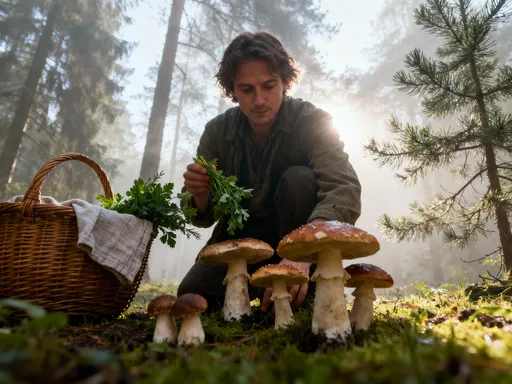
Berlin’s surrounding woodlands function as a natural pantry, supplying chefs and home cooks alike with wild ingredients that elevate the city’s cuisine. Foraging is not a fringe trend—it’s a centuries-old tradition that remains vibrant today. In the Grunewald and other nearby forests, residents gather mushrooms like chanterelles and porcini in late summer and autumn, while spring brings wild garlic, nettles, and wood sorrel. These ingredients appear on menus across the city, from fine dining establishments to neighborhood cafes, reinforcing a culinary identity tied directly to the seasons.
Local guides often lead foraging walks, teaching participants how to identify edible plants safely and sustainably. These excursions emphasize respect for nature—gatherers are taught to take only what they need, avoid rare species, and leave no trace. Such practices ensure that foraging remains an ethical and renewable activity. Participants often end their walks with a shared meal, preparing simple dishes like wild garlic pesto or nettle soup, connecting food preparation with the landscape it came from.
Restaurants such as Nobelhart & Schmutzig have built their entire philosophy around hyper-local, wild-sourced ingredients. Their menus change daily based on what’s available in the surrounding forests and fields, and they work closely with foragers, small-scale farmers, and fishermen. Dishes might include roasted duck with fermented elderberries or grilled trout with woodruff cream—flavors that could only exist in this place, at this time. Even more casual eateries incorporate wild herbs into breads, sauces, and salads, offering diners a subtle but distinct taste of the region’s biodiversity.
This forest-to-fork movement is not just about novelty or flavor—it’s about re-establishing a relationship between people and their food sources. In a world dominated by industrial agriculture and long supply chains, Berlin’s foraging culture offers a refreshing alternative: one where meals begin not in a factory, but in the quiet rustle of leaves and the scent of damp earth. It’s a reminder that some of the best ingredients grow not in fields, but in the wild corners of the city’s green heart.
Farmers’ Markets with a View
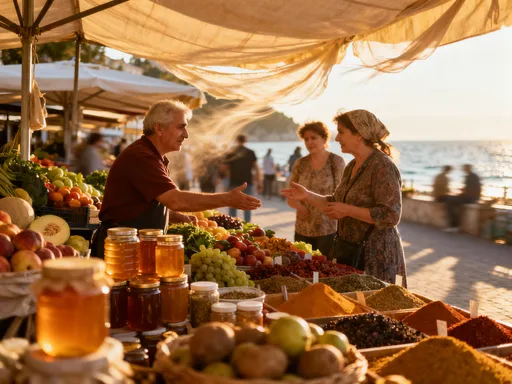
Berlin’s farmers’ markets are more than places to buy food—they are social spaces where community, sustainability, and sensory pleasure converge. Set in leafy squares, park corners, and tree-lined streets, these markets thrive in scenic, open-air environments that enhance the shopping experience. Wochenmarkt Prenzlauer Berg, held every Tuesday and Saturday, is one of the most beloved. Nestled beneath plane trees and surrounded by historic buildings, it draws locals and visitors with its colorful stalls of organic vegetables, artisan breads, fresh cheeses, and handmade preserves.
The atmosphere is relaxed and unhurried. Shoppers move slowly from stand to stand, sampling ripe tomatoes, sniffing bundles of fresh herbs, or chatting with farmers about growing conditions. Children run between tables, and dogs nap under market umbrellas. The air carries the scent of baking rye bread, roasted nuts, and just-picked strawberries. These sensory details are not incidental—they are part of what makes Berlin’s market culture so appealing. Eating well here feels natural, joyful, and deeply connected to place.
Another standout is the Bio-Markt am Kollwitzplatz, known for its strict organic standards and community focus. Vendors are vetted to ensure their products are pesticide-free, sustainably grown, and locally sourced. Many are small family farms from Brandenburg, the state that surrounds Berlin, reducing food miles and supporting regional agriculture. Shoppers find everything from heirloom carrots in deep purple and golden yellow to raw honey from city beekeepers and biodynamic wines from nearby vineyards.
These markets do more than supply fresh food—they foster trust and transparency. Customers can ask exactly where their vegetables were grown, how their eggs were collected, or what goes into their sourdough starter. This direct connection builds a culture of conscious eating, where people care not just about taste, but about impact. For visitors, a morning at one of these markets offers a genuine taste of Berlin’s values: simplicity, sustainability, and a deep appreciation for quality. It’s not just shopping—it’s a ritual of mindfulness in motion.
Riverside Eats and Lakeside Retreats
Berlin’s extensive waterways create perfect settings for dining where land meets water. Along the Spree, Landwehrkanal, and the shores of Wannsee, a network of cafés, beer gardens, and floating restaurants offers meals with panoramic views and a refreshing breeze. These spots are more than places to eat—they are destinations for relaxation, socializing, and reconnecting with nature. Whether it’s a weekday lunch or a Sunday afternoon escape, Berliners flock to these waterfront venues to enjoy good food in open, calming spaces.
Schlächterei, located on the banks of the Havel River near Wannsee, is a prime example. Housed in a former slaughterhouse, the restaurant blends industrial charm with a serene garden and direct lake access. Guests dine on grilled fish, seasonal salads, and house-made lemonade while watching boats drift by. In summer, many sit barefoot in the grass, children splash in shallow waters, and couples share wine as the sun dips behind the trees. The experience is informal, unhurried, and deeply restorative—a mental reset disguised as a meal.
Strandgut, another popular lakeside spot, operates like a beach club with a strong food ethos. Set on the eastern shore of Wannsee, it offers wood-fired pizzas, fresh seafood, and organic wines in a relaxed, sandy setting. Guests bring towels, books, and sunscreen, turning a simple lunch into a full day of leisure. The menu emphasizes local sourcing—fish from the Havel, vegetables from nearby farms—and minimal packaging, aligning with Berlin’s environmental values.
Along the Landwehrkanal, floating restaurants like Ku’damm 101 and Bar One provide urban waterfront dining with a view. These houseboat eateries serve everything from hearty German stews to modern fusion dishes, all while gently swaying on the water. The combination of city skyline and natural setting creates a unique ambiance—urban yet peaceful, lively yet calming. These spaces prove that dining in nature doesn’t require leaving the city; in Berlin, the river brings the countryside to you.
Urban Gardens and Edible Landscapes
Berlin’s commitment to green, sustainable living extends to its urban gardens—pioneering projects that transform neglected spaces into productive, edible landscapes. These community-driven initiatives reflect a grassroots movement toward food sovereignty, environmental education, and neighborhood empowerment. Prinzessinnengärten in Kreuzberg is one of the most famous examples. Built on a former wasteland, this urban farm features modular plant beds grown in recycled shipping containers, producing vegetables, herbs, and flowers using organic methods.
Visitors are welcome to join workshops on composting, seed saving, and natural pest control. The garden also hosts open meals, film screenings, and cultural events, making it a hub for social and ecological exchange. What began as a temporary project has inspired similar gardens across the city, proving that even in dense urban areas, food can be grown locally and sustainably.
Nomadenkultur, another influential urban garden in Mitte, combines agriculture with art and activism. Located on a former construction site, it functions as a self-organized space where volunteers grow food, host discussions, and experiment with alternative living models. The garden grows everything from kale to medicinal herbs, and its harvest is shared among participants or sold at low cost to neighbors. These spaces are not just about food production—they are about building resilience, community, and a deeper relationship with the earth.
Beyond formal gardens, Berlin has embraced “guerrilla gardening”—the practice of planting edible or ornamental plants in public spaces without official permission. While not always legal, these efforts reflect a strong civic desire to green the city and reclaim unused land. From herbs planted in sidewalk cracks to fruit trees in traffic islands, these small acts contribute to a larger vision of an edible city. Alongside this, city beekeeping has flourished, with hives on rooftops, schoolyards, and community centers producing honey that captures the flavor of Berlin’s diverse flora. Together, these initiatives show how food, nature, and community can grow together—even in the heart of the metropolis.
Seasonal Rhythms on the Plate
In Berlin, the calendar of food follows the rhythm of nature. Menus shift with the seasons, not marketing trends, ensuring that ingredients are at their peak in flavor, nutrition, and availability. Spring brings the arrival of white asparagus, a beloved delicacy served simply with hollandaise sauce, boiled potatoes, and chives. Farmers’ markets overflow with tender greens, radishes, and the first strawberries, signaling the end of winter’s heaviness.
Summer is a celebration of abundance. Berliners enjoy fresh salads, grilled vegetables, and fruit desserts made with local peaches, cherries, and currants. Rooftop gardens and allotments yield tomatoes, zucchinis, and basil, inspiring home-cooked meals that highlight simplicity and freshness. At outdoor markets and festivals, cold soups like gazpacho or cucumber-yogurt blends offer relief from the heat, while homemade lemonades and elderflower drinks refresh with natural sweetness.
Autumn transforms the city’s cuisine with earthy, comforting flavors. Pumpkins appear in soups, risottos, and baked goods, while apples are pressed into juice or baked into crumbles. Mushrooms take center stage—chanterelles in creamy sauces, porcini in risottos, and dried varieties used to flavor broths. This is the season of preservation, too, as Berliners make jams, pickles, and fermented vegetables to enjoy through the colder months.
Winter brings heartier fare: root vegetables roasted with herbs, lentil stews, and dark rye breads served with butter and pickled herring. Indoor markets continue to offer fresh produce, often grown in greenhouses or sourced from nearby biodynamic farms. Even in the coldest months, Berlin’s food culture remains connected to the land, with an emphasis on warmth, nourishment, and sustainability. For visitors, aligning meals with the season is the best way to experience authentic Berlin cuisine—one that honors nature’s cycles and celebrates each moment of the year.
How to Eat Like a Berliner—With Nature in Mind
Travelers can immerse themselves in Berlin’s nature-connected food culture with a few simple, mindful choices. Start by renting a bicycle—a favorite local mode of transport—and plan routes that combine green spaces with food stops. Ride through Tiergarten to reach Café am Neuen See for coffee with a lakeside view, or cycle to Tempelhofer Feld for a picnic on the former runway. Many visitors pack baskets with bread from a neighborhood bakery, cheese from the weekly market, and fresh fruit, turning a park visit into a full sensory experience.
When dining out, choose restaurants that highlight seasonal, regional ingredients. Look for menus that mention foraged herbs, local fish, or produce from Brandenburg farms. Even street food can be nature-friendly—opt for a Döner with extra fresh herbs, cucumbers, and house-made sauces, or try a vegan currywurst made from locally grown soy or lentils. Avoid plastic-wrapped snacks and instead visit bakeries that use paper bags and glass jars, supporting Berlin’s low-waste movement.
Use digital tools to enhance the experience. Apps like OpenFarmMap and Naschmarkt Finder help locate farmers’ markets, urban gardens, and eco-conscious eateries. Google Maps can guide you to scenic picnic spots near water or forest edges. For a deeper dive, join a guided foraging tour or a cooking class focused on seasonal Berlin cuisine—these experiences offer both education and connection.
Most importantly, adopt the Berliner mindset of slow dining. Meals are not rushed but savored—whether at a crowded market table or a quiet bench by the Spree. Take time to notice the texture of bread, the aroma of herbs, the sound of birds in the trees. This mindfulness transforms eating from a routine into a ritual of appreciation. In doing so, visitors don’t just taste Berlin’s food—they taste its values, its seasons, and its green soul.
Conclusion
Berlin’s unique harmony between urban life and the natural world creates a food culture that is as nourishing as it is inspiring. Here, meals are not isolated events but extensions of the landscape—shaped by forests, rivers, gardens, and seasons. From foraged mushrooms to market-fresh strawberries, every bite carries the imprint of the earth. This deep connection fosters not only better food but a better way of living—one rooted in sustainability, community, and mindfulness.
For travelers, embracing this rhythm means more than eating well—it means slowing down, stepping outside, and allowing nature to guide the journey. Whether you’re sipping tea in a community garden, dining with your feet in the sand, or biking through autumn woods to a rustic café, Berlin invites you to taste the wild. It’s a city where the green heart doesn’t just beat—it feeds the soul.